
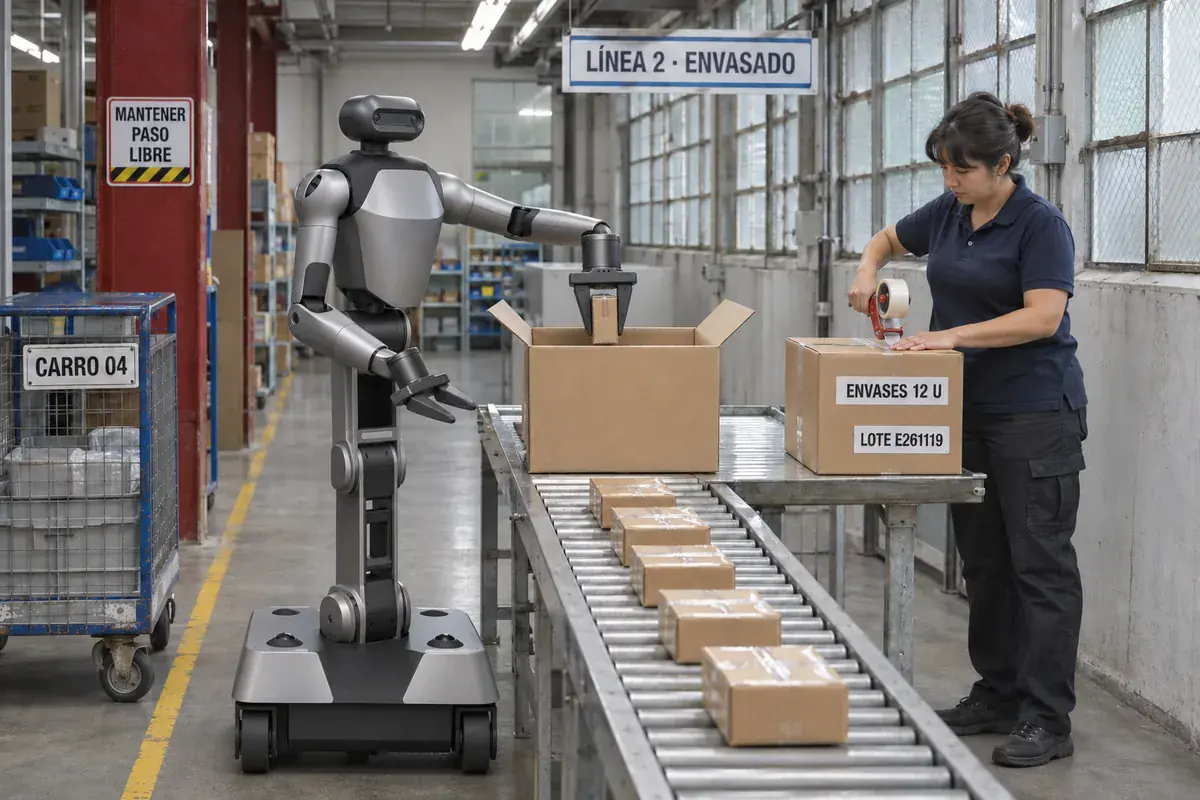
End-of-line packing
Placing packaged products in a case; product variation, handling and line rate.
Robot deployment and field service · Barcelona
We offer robot makers a sales channel in Spain, with commissioning and field service close to the plant. We prepare operations for humanoids and develop our own task software and robot data layer.
First pilots planned for November–December 2026.
Or write to yegor@shkodarobotics.com · WeChat: wxid_mwc95sk4ika012
The offer
We order the pilot unit for an agreed plant operation. Assessment, the site visit and the pilot are free for the plant until it accepts the robot's work. After acceptance, if the plant chooses to continue, it buys or leases the robot with our service contract.
For the maker, this creates a route from a suitable task to a robot sale, backed by local commissioning, operator training and field service. Supply, support and commercial responsibilities are agreed in writing before shipment.
Site assessment, task software, commissioning, operator training and field service.
Hardware documentation, software interfaces, training requirements and an agreed support and escalation route.
The operation, access for assessment, acceptance criteria and the decision to continue.
Three ways to work with us
You supply the robot; we scope and deliver the agreed commissioning and field service in Spain.
We agree a route to sell your robots with our commissioning, training and service contract.
We order a unit for an agreed pilot and establish the task, support requirements and acceptance process with the plant.
Tasks
We assess the material, cycle, changeovers and exceptions before choosing a robot.
Placing packaged products in a case; product variation, handling and line rate.
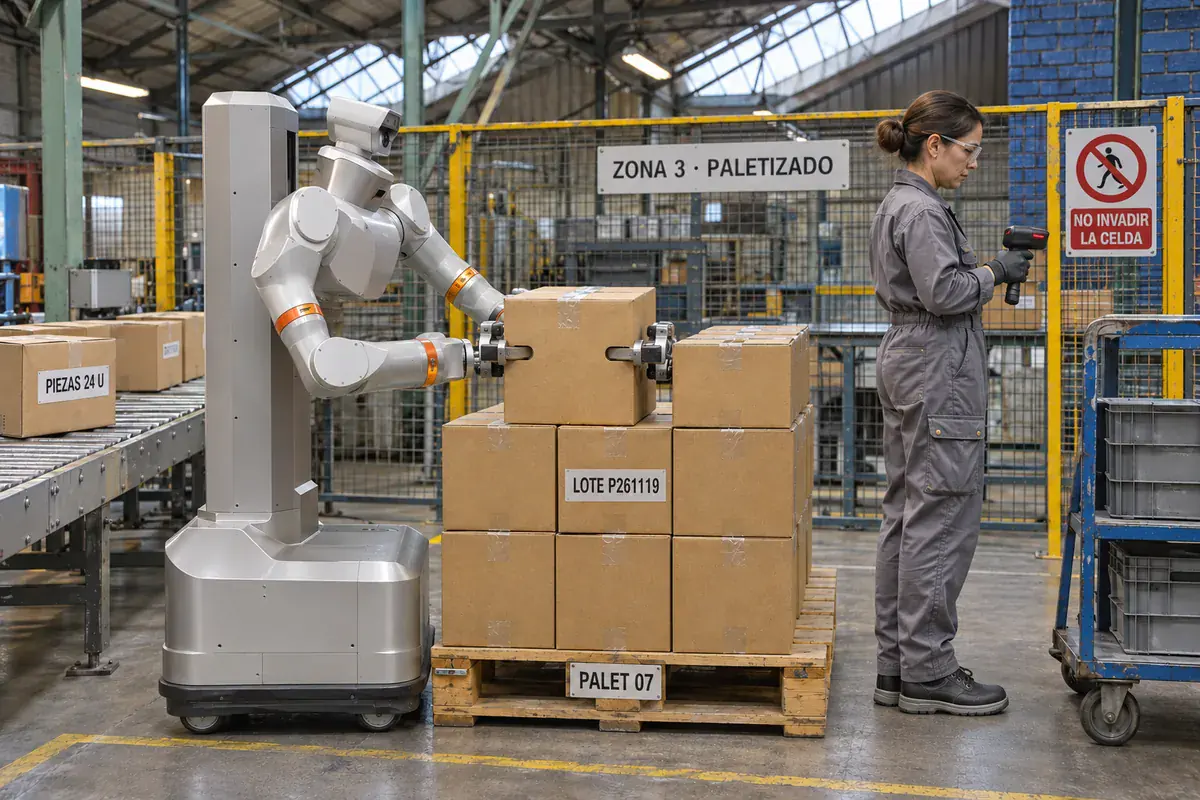
Stacking light cases on a pallet; case sizes, pattern and the wrapper behind.
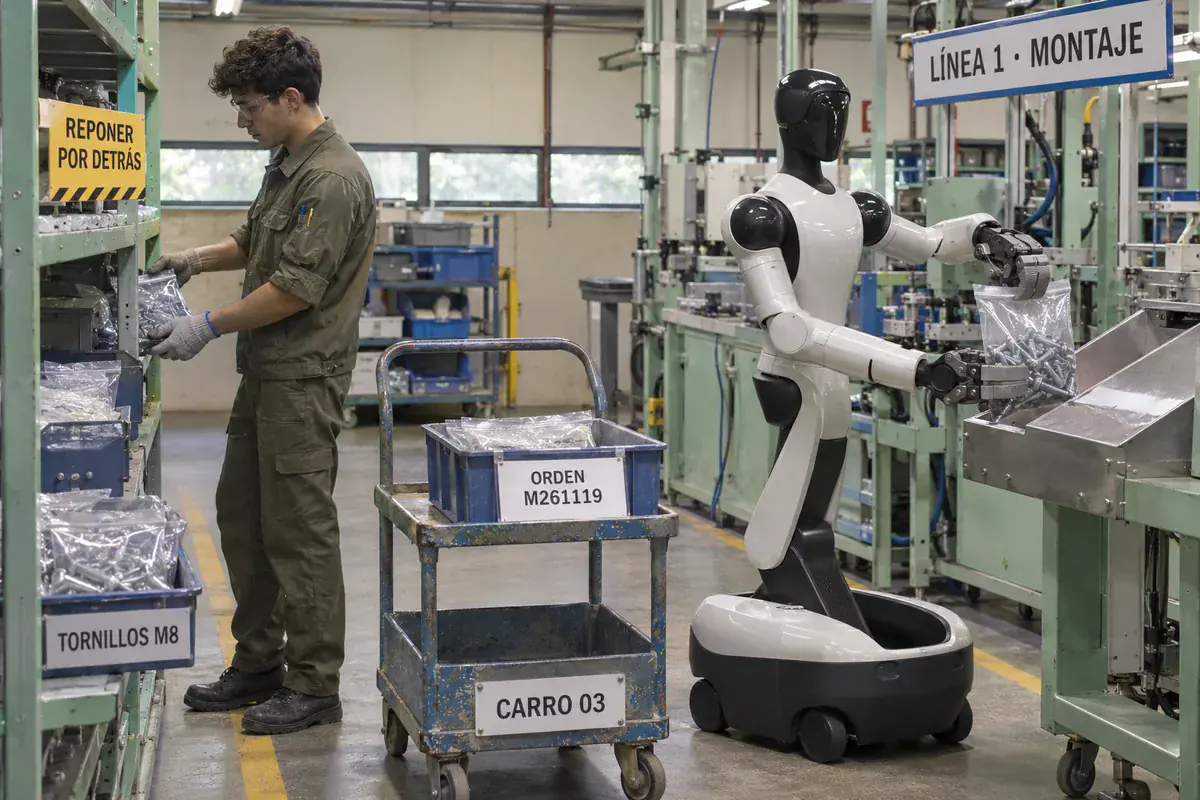
Bringing components to a workstation; delivery points, traffic and changing priorities.
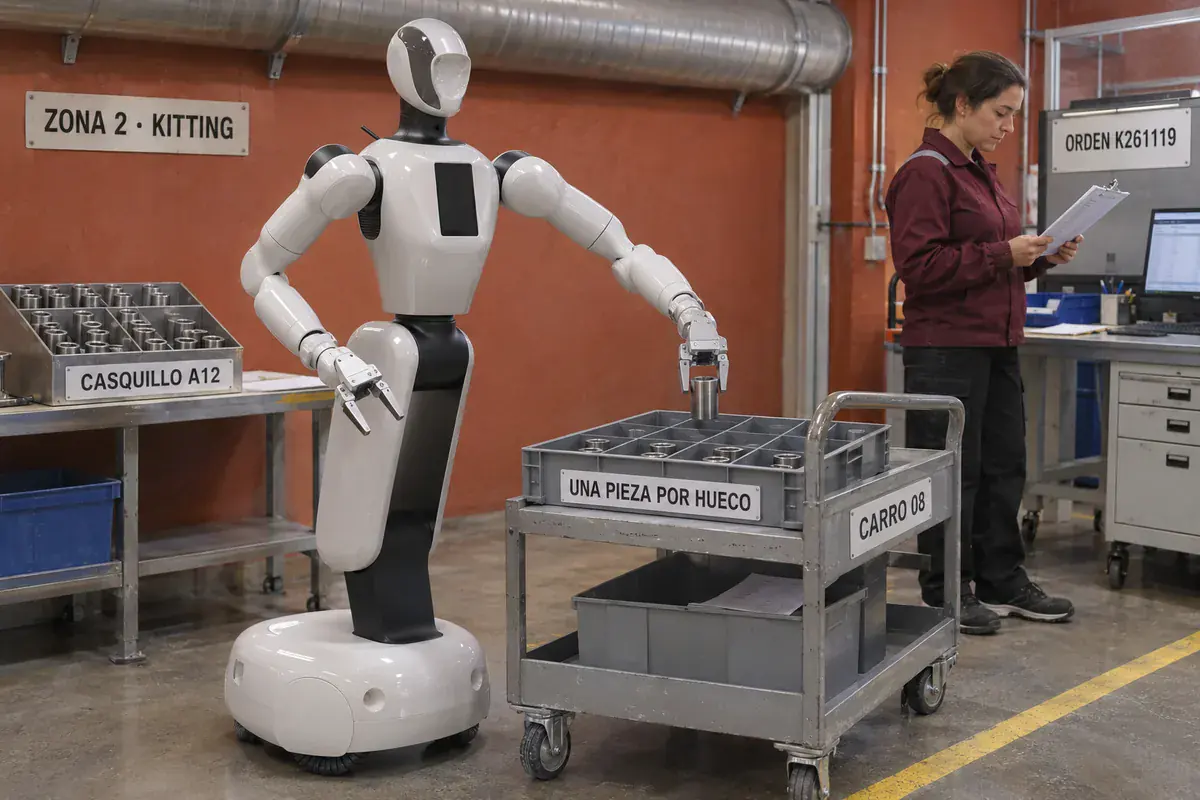
Preparing parts for an order; identification, quantities, similar references and missing items.
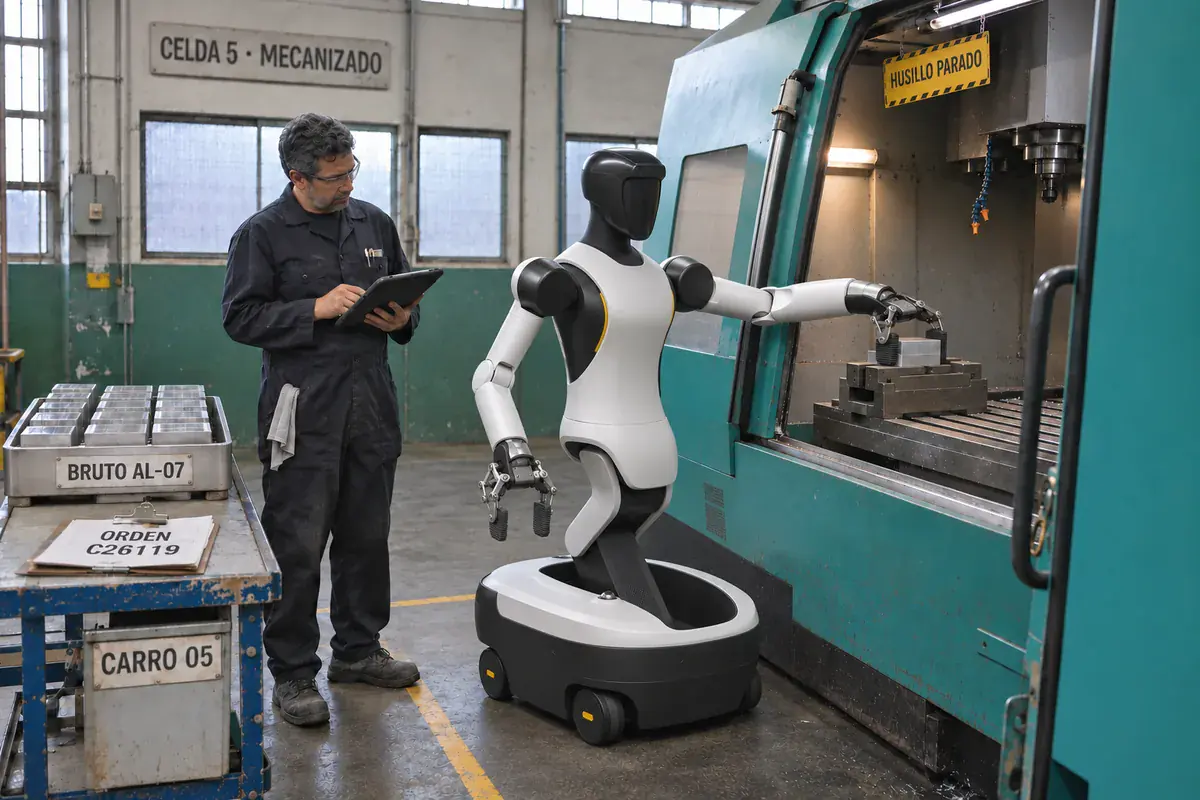
Loading and unloading light parts; fixtures, machine signals and recovery after a stop.
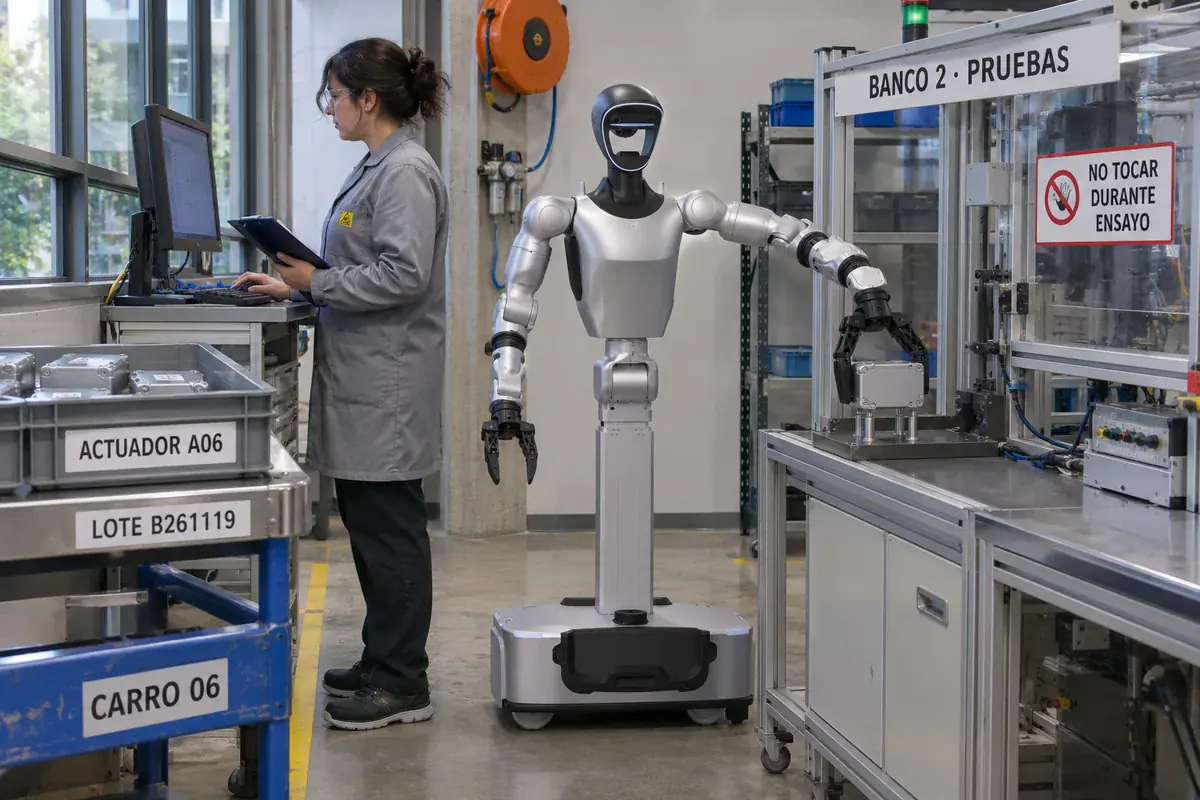
Placing assemblies in a test fixture and removing them; fixtures, ESD and end-of-test signals.
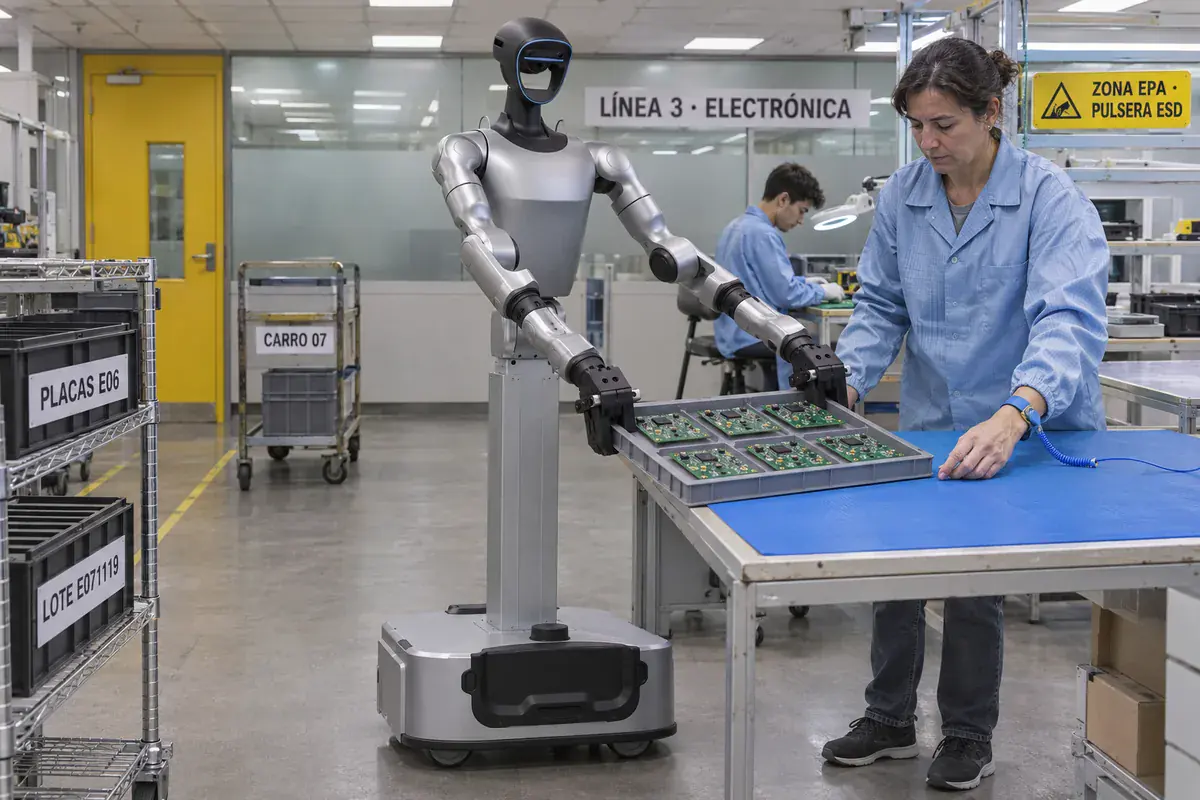
Moving board trays between assembly, inspection and test; lot identification and ESD.
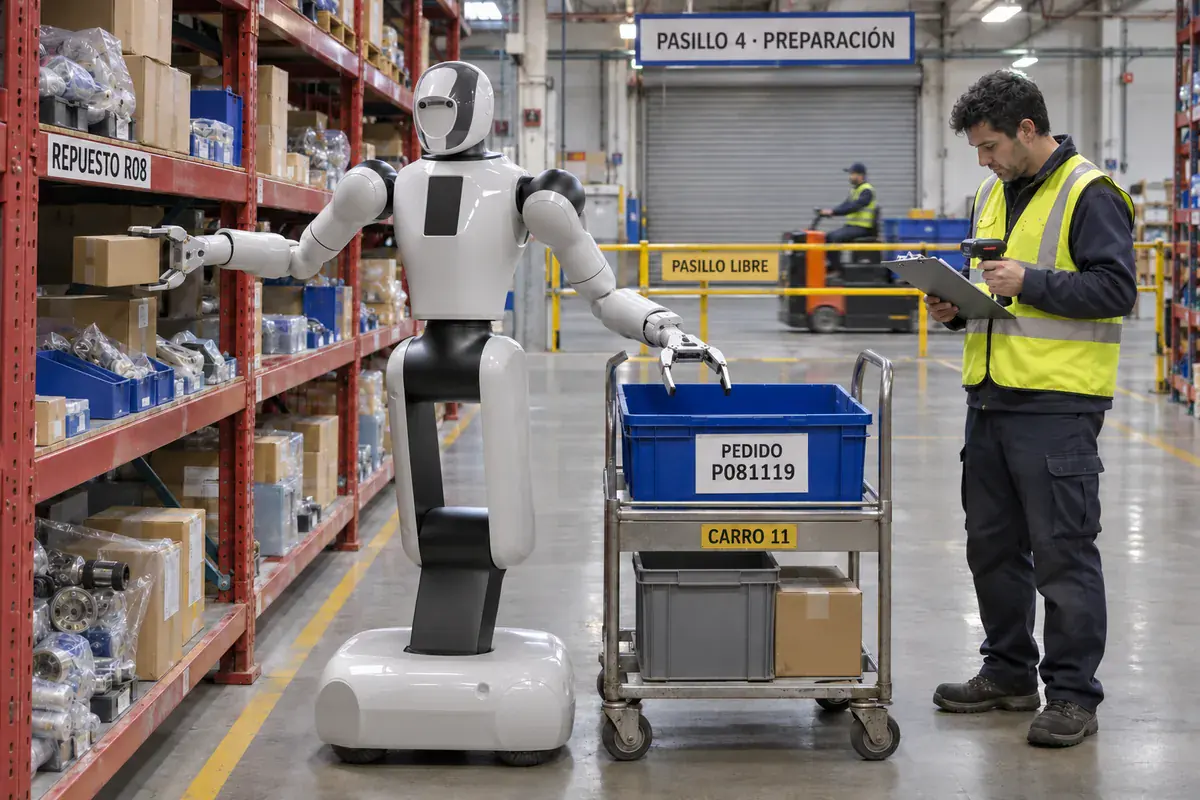
Picking references from shelves into an order tote; catalogue size and similar items.
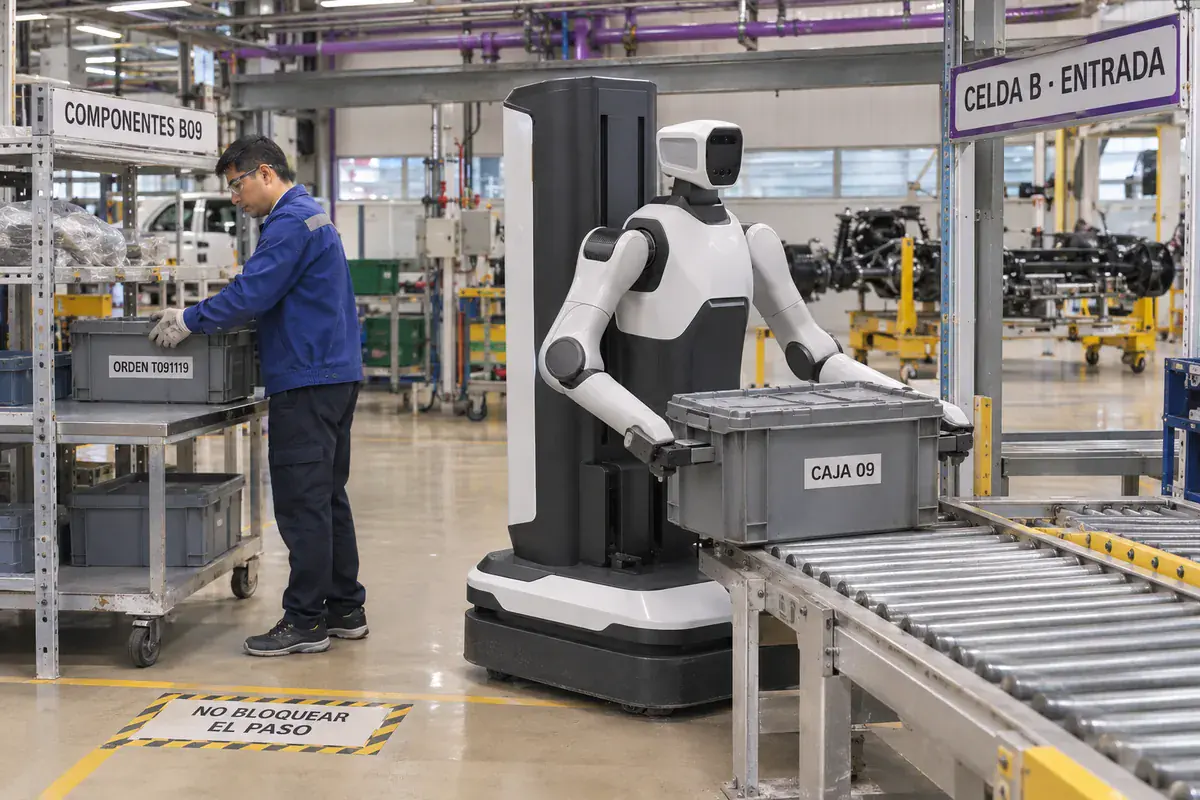
Moving a tote between a cart, conveyor or shelf; grip, load and handover points.
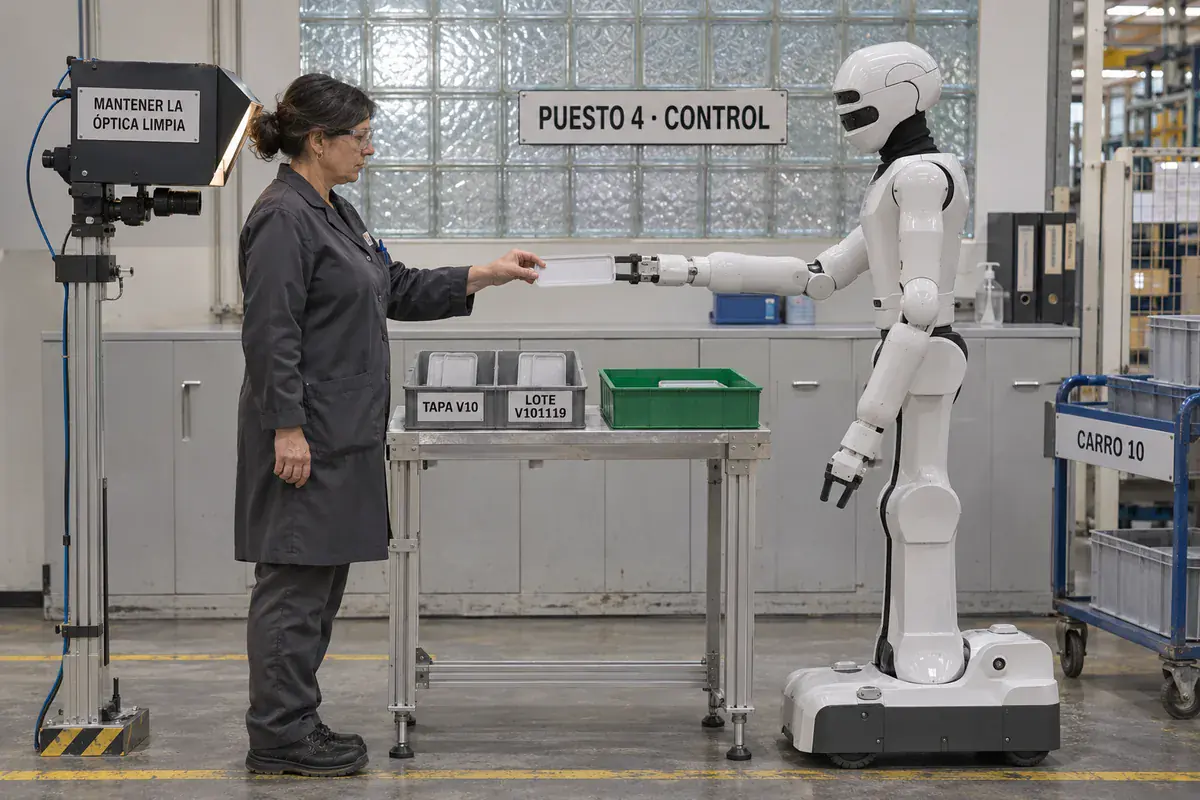
Checking finished assemblies at a station; what is logged and what triggers a call.
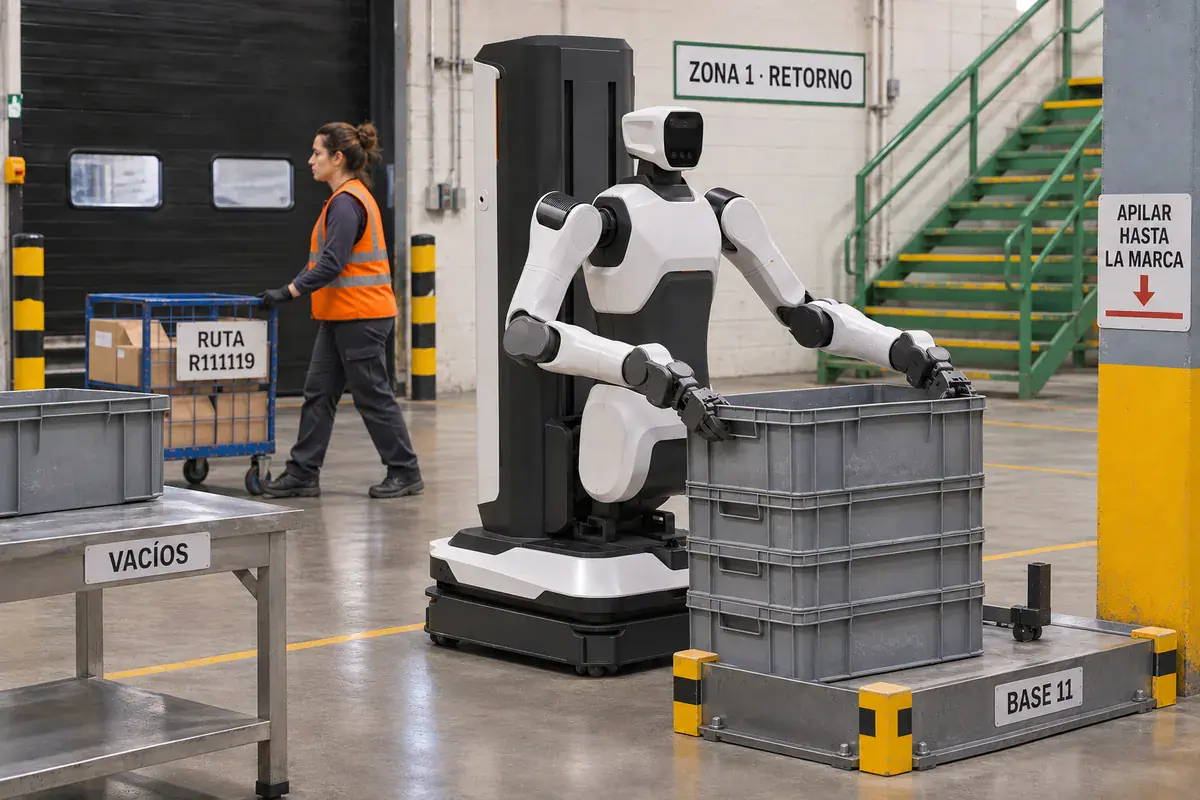
Returning empty crates and totes to the agreed point; stacks, routes and traffic.
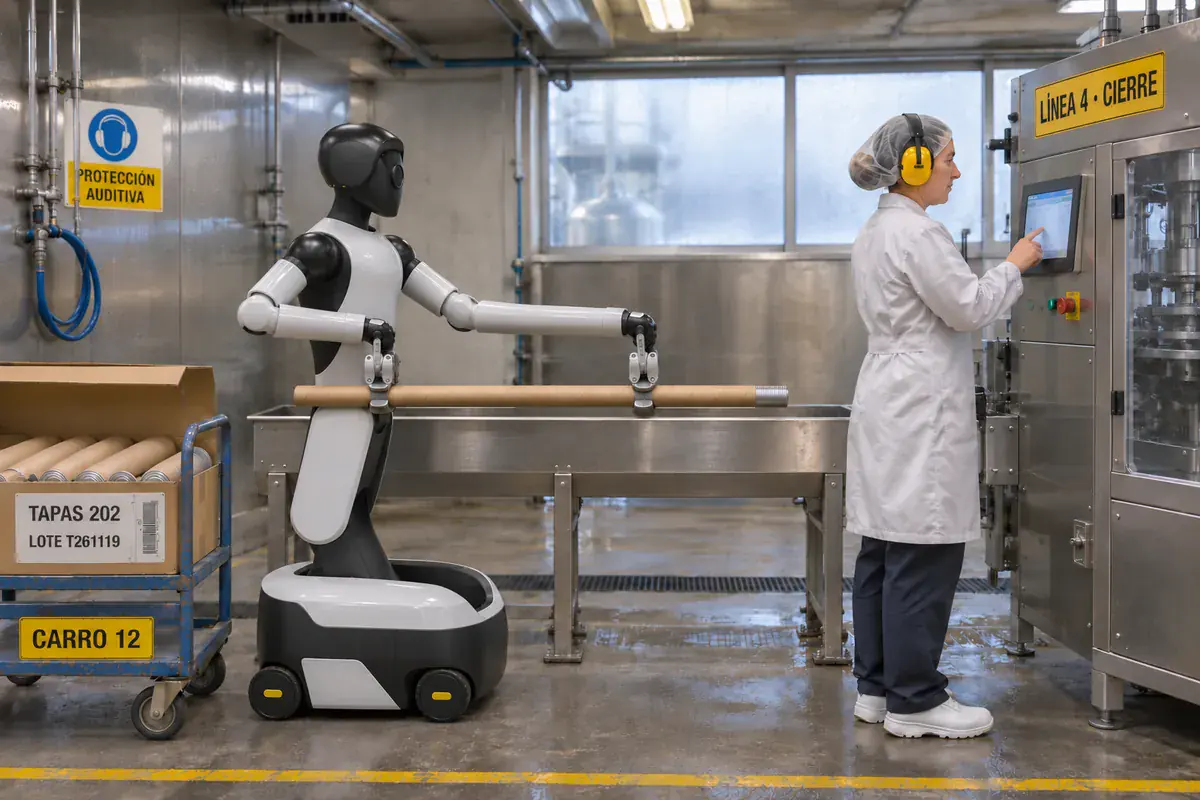
Loading sleeves of can lids into the seamer feed; sleeve length, wrapping and line rate.
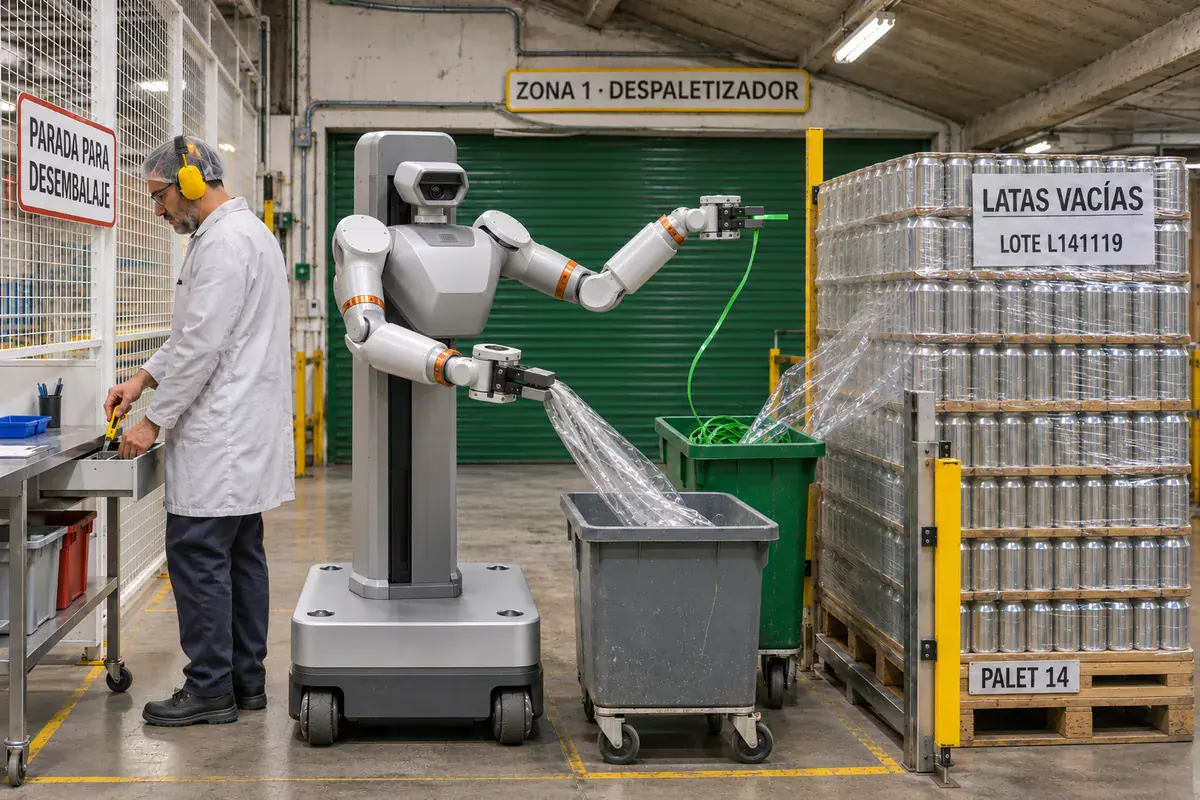
Removing cut straps and film from pallets of empty containers; pallet pattern, waste bins and line stops.
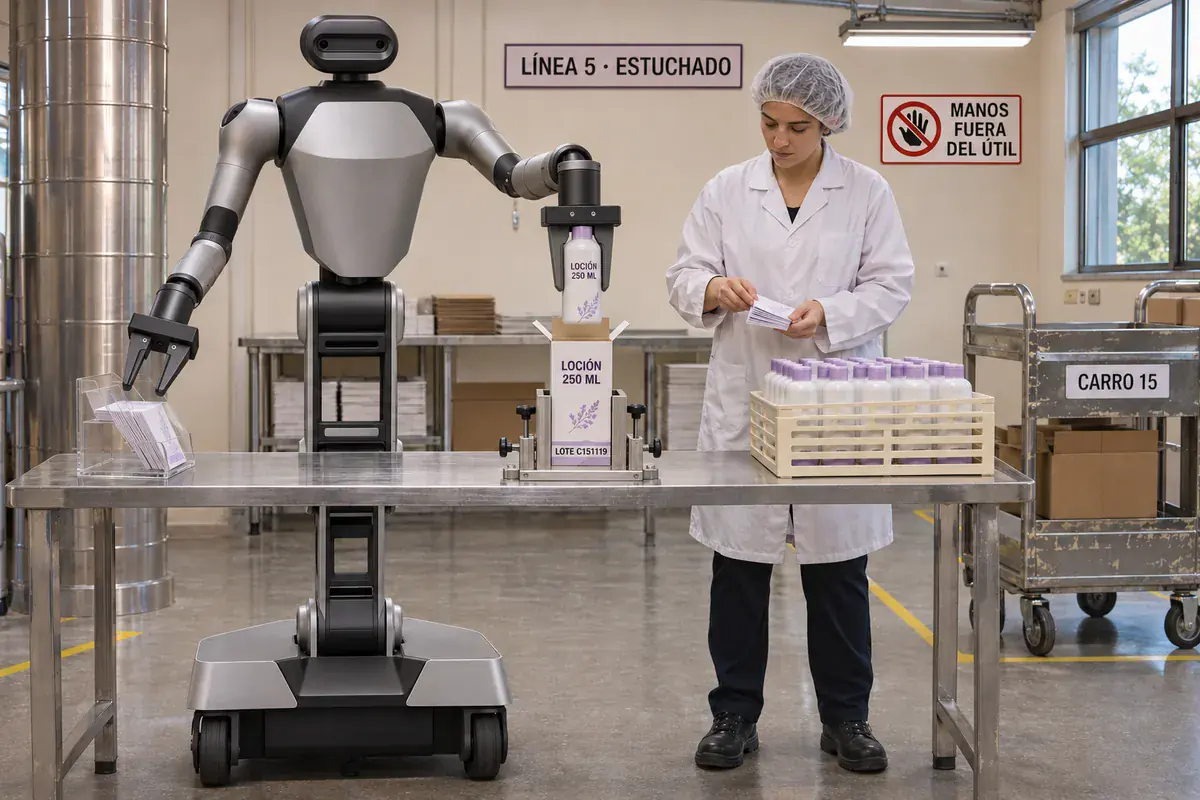
Placing a bottle and its folded leaflet in a carton; formats, leaflet magazine and changeovers.
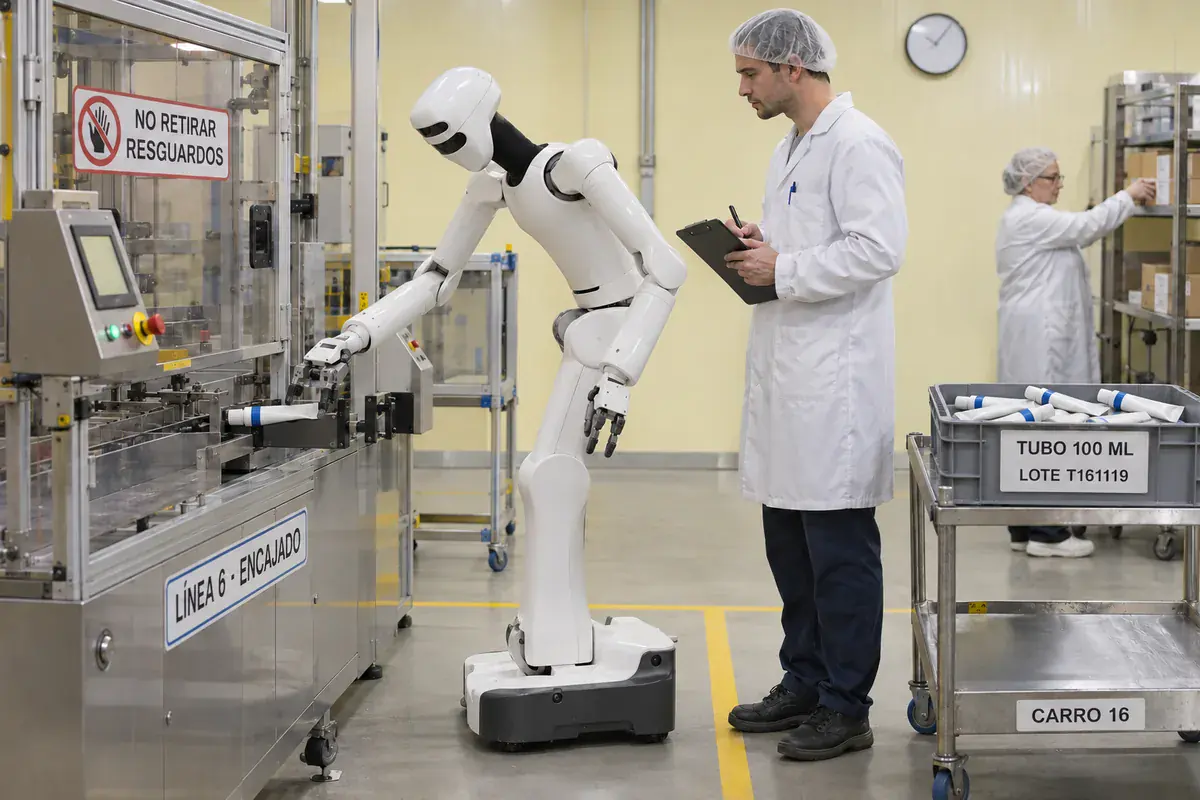
Moving tubes from a bulk crate into the infeed pockets; orientation, indexing and line rate.
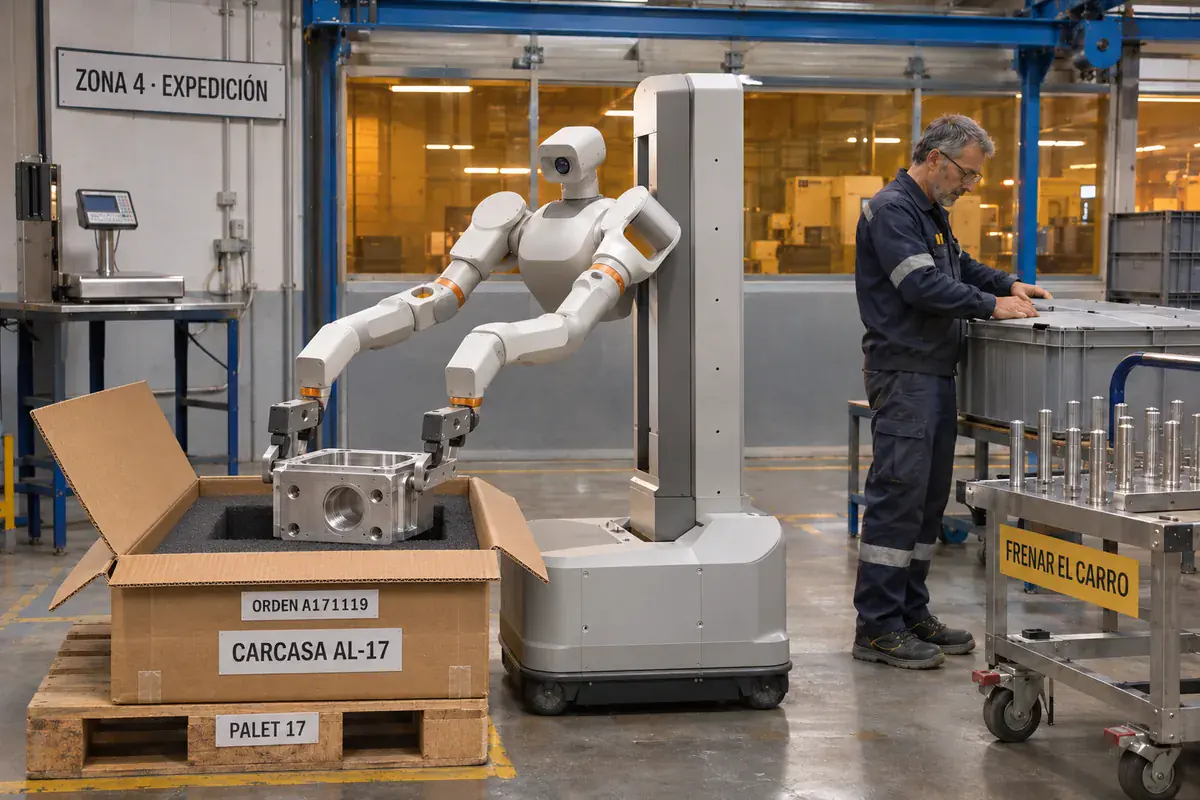
Moving machined housings from a rack into shipping boxes on a pallet; weight, grip points and surface protection.
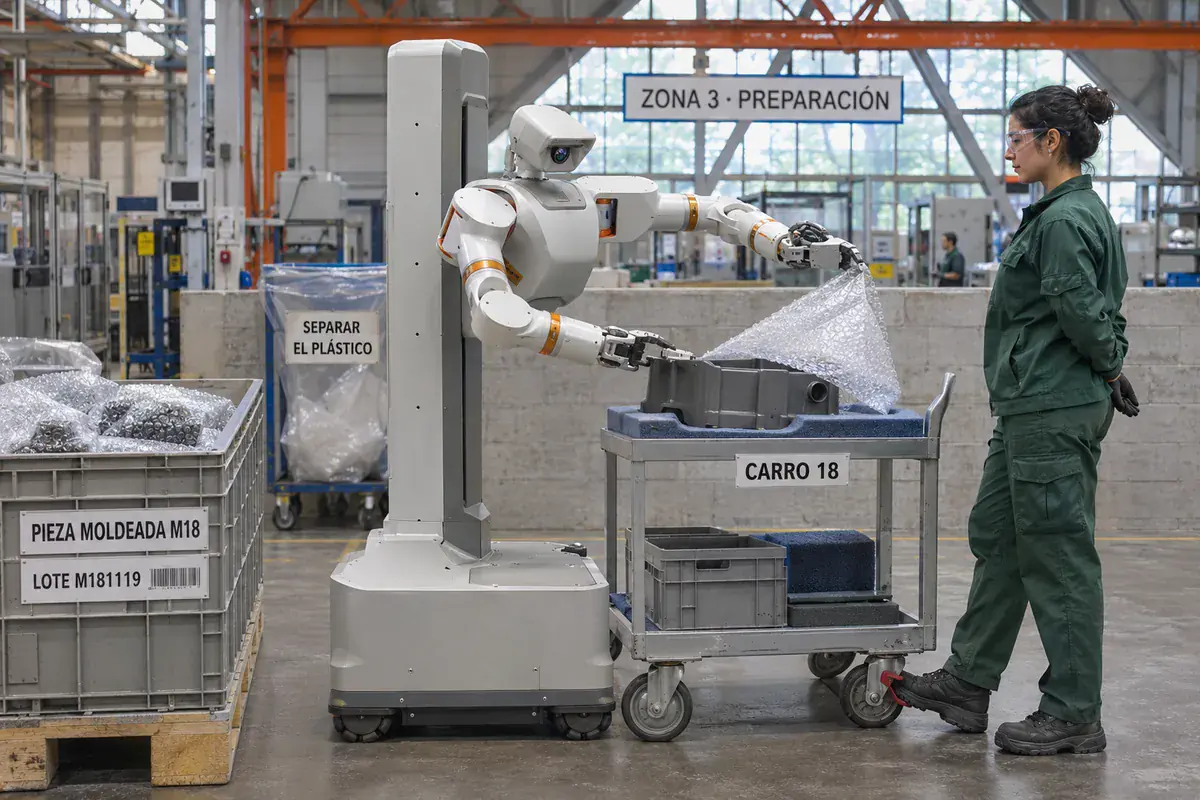
Unwrapping moulded parts from a pallet box onto a kitting cart; wrapping, part families and cart positions.
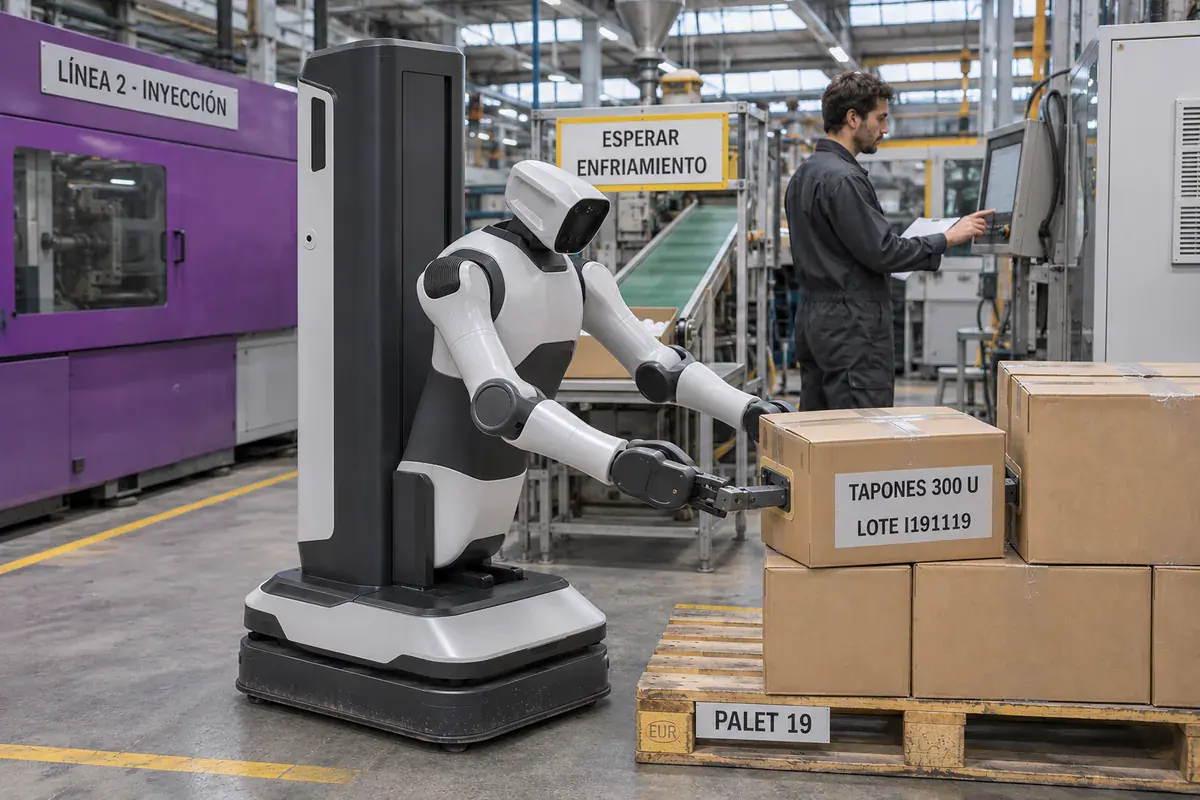
Collecting moulded caps in boxes and moving full boxes to the pallet; cooling, counts and box changes.
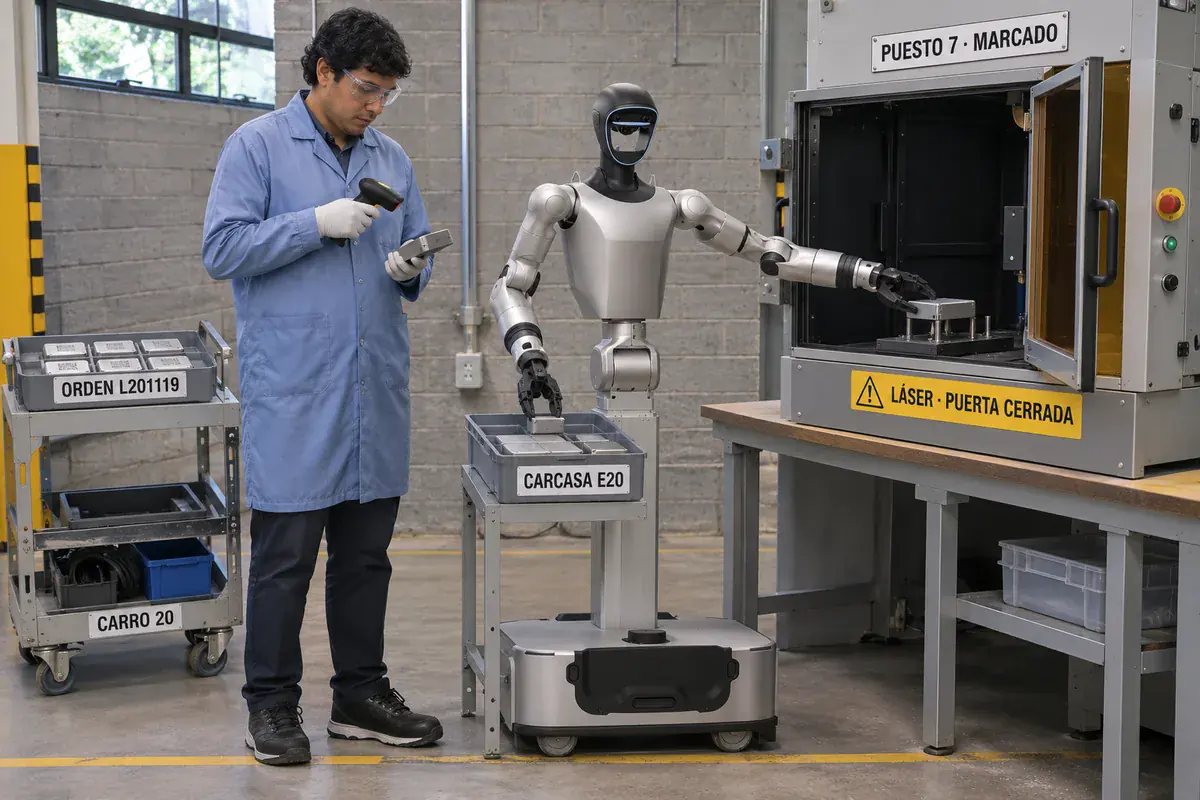
Placing a part in the marking fixture and removing the marked one; fixture, door interlock and code check.
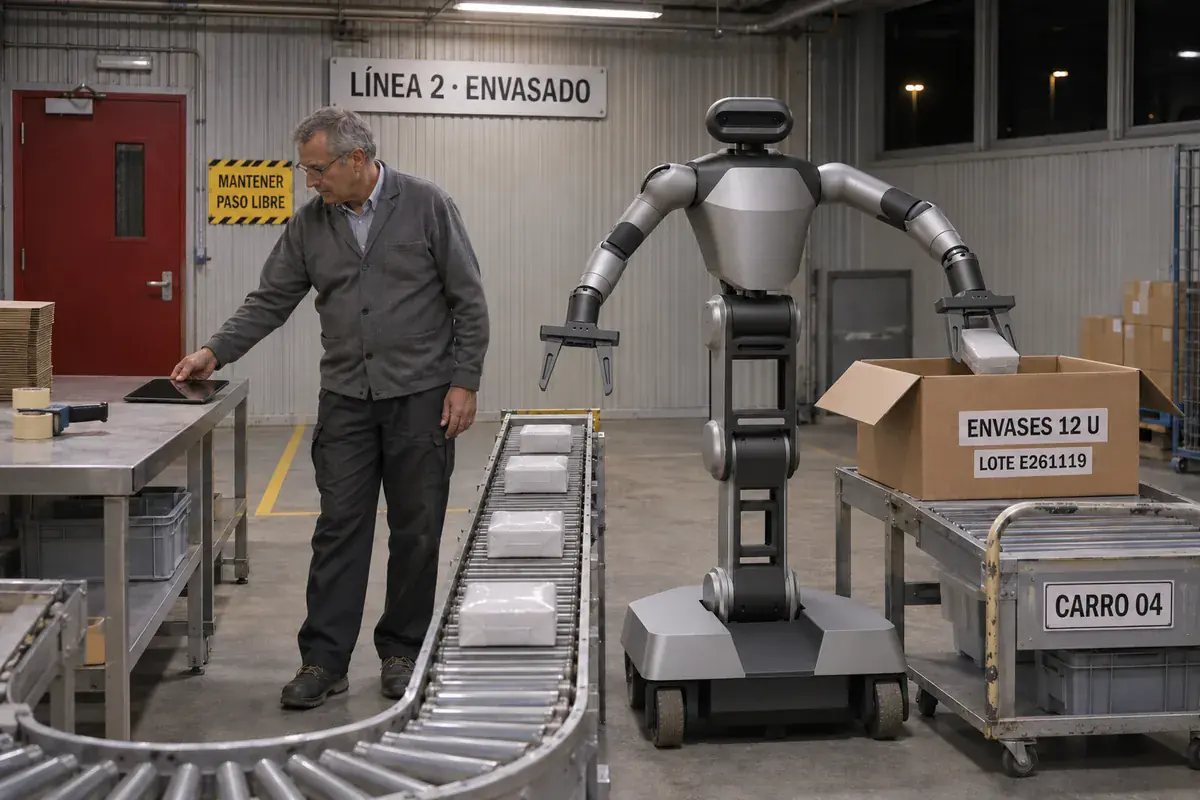
The same robot on the night shift; the hours people are hardest to find.
Spain
Our industrial site research maps locations, sectors and candidate manual tasks across Spain. The map brings the regional and sector view together with the operations we assess.
A first group of plants is ready to host pilots in beverages, logistics and warehousing, and vehicle and machinery manufacturing.
Sites by sector, Shkoda Robotics database, October 2026.
Numbers are mapped sites per province. Drag to turn, + / − to zoom, pick a city to fly there.
Robot fit
Our focus is humanoids from tier-one makers, selected for the operation. Each assessment also asks whether a simpler arrangement would serve the task better.
| Approach | When to assess it | Evidence to request |
|---|---|---|
| Humanoid | A task combines movement between work points with handling using two arms. | A trial with representative parts, measured cycle time, intervention log and documented operating limits. |
| Fixed arm or cell | The work can stay at a fixed station with repeatable presentation. | Cycle and changeover tests with the proposed fixture and guarding. |
| Mobile transport robot | The main task is carrying loads between locations. | Route, load-transfer, traffic and charging tests for the site. |
The site proposal records the hardware choice, required interfaces and evidence for the task. Robot model comparison, in Spanish.
Delivery
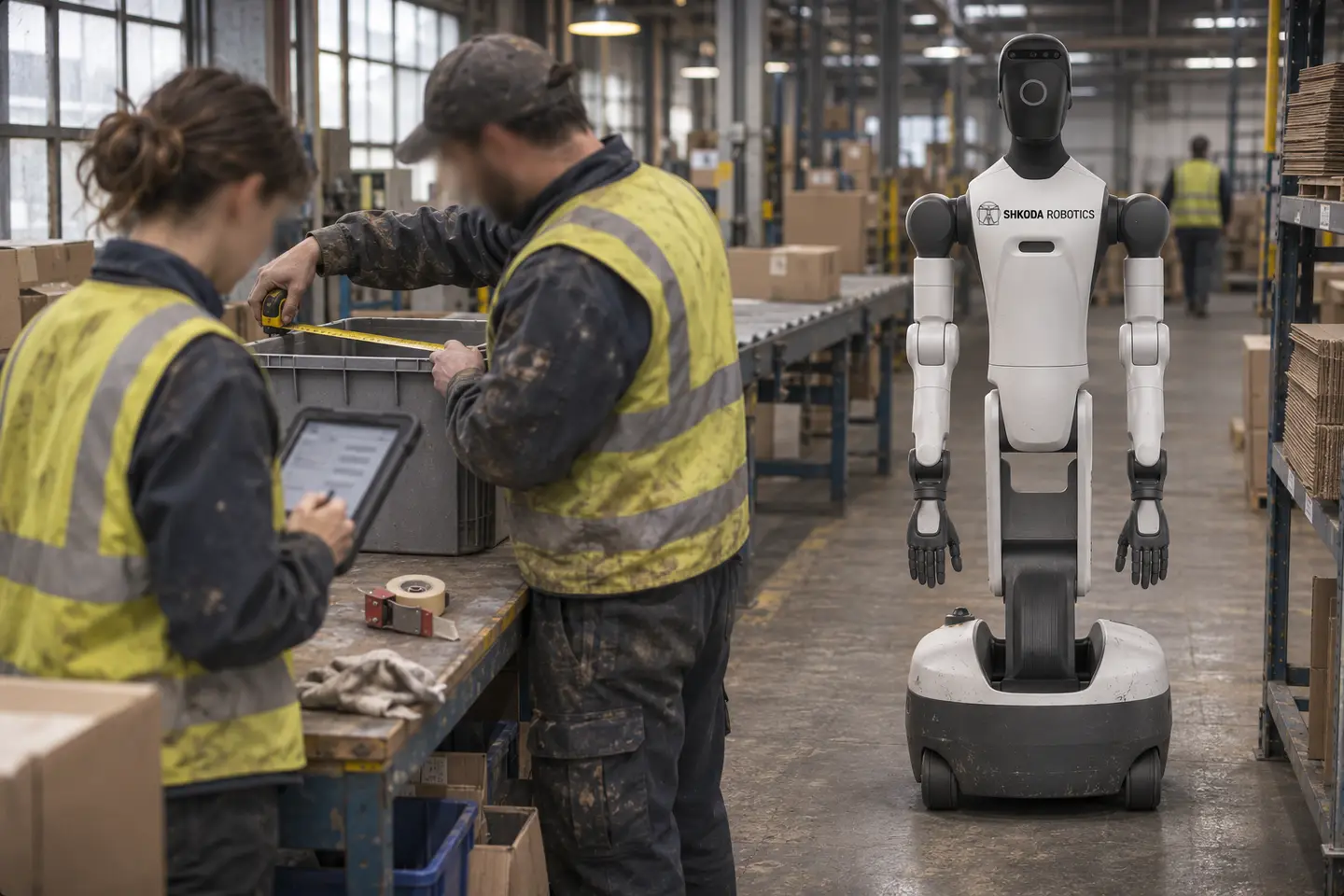
Record the task, layout, cycle, exceptions and acceptance criteria in a site sheet.
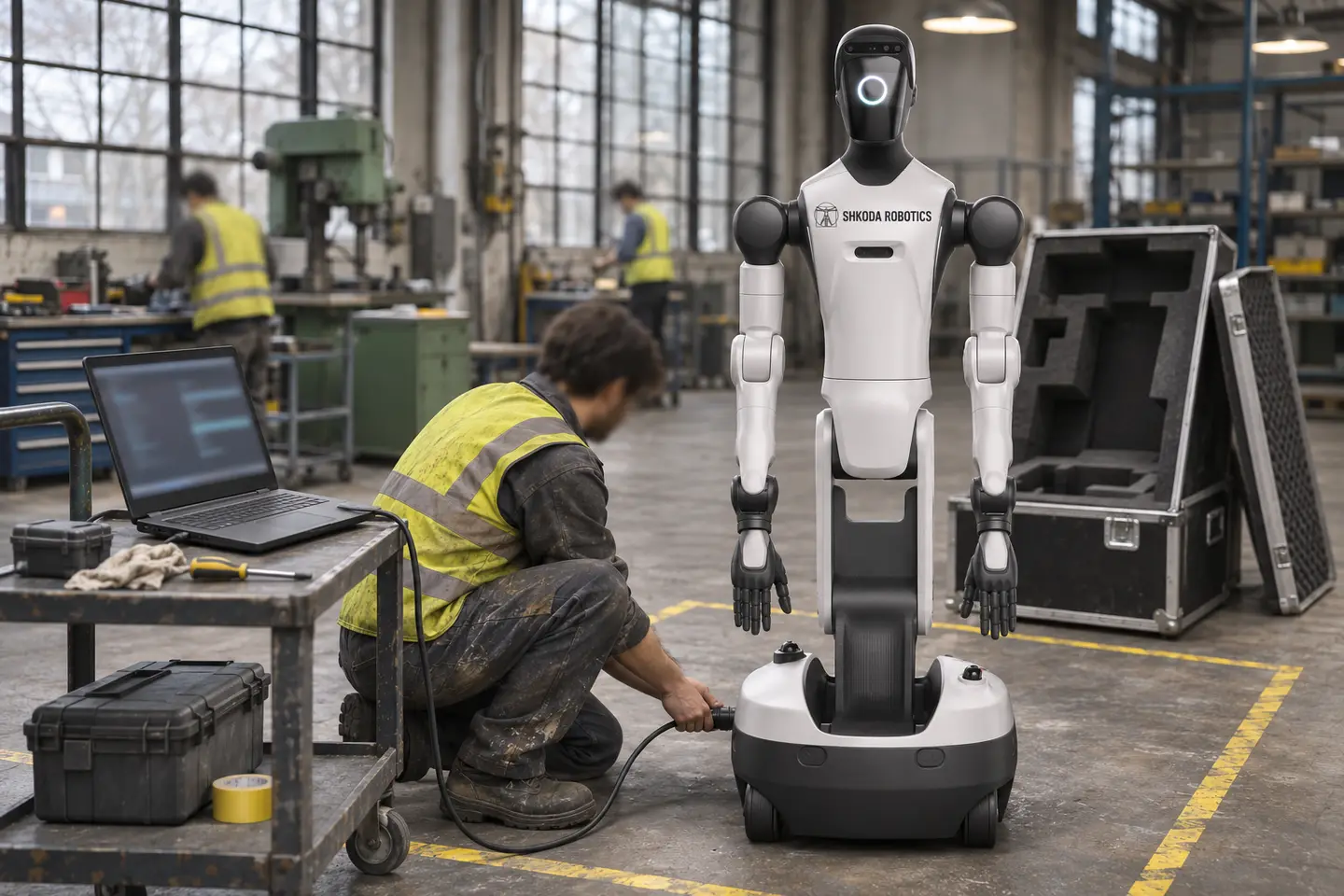
Set up the agreed operation and check its interfaces and recovery procedures.
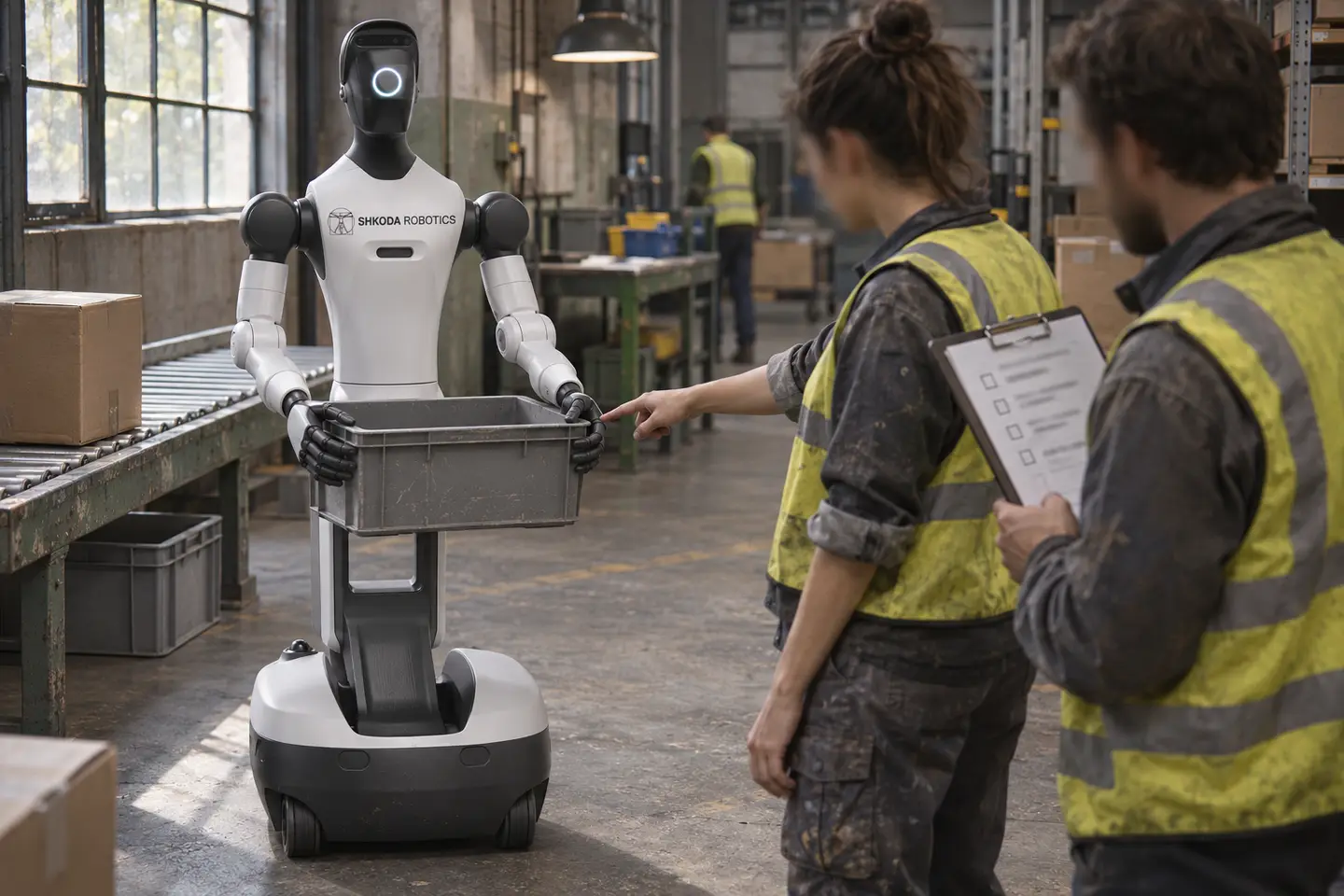
Prepare operators to start, stop, report faults and follow the agreed recovery process.
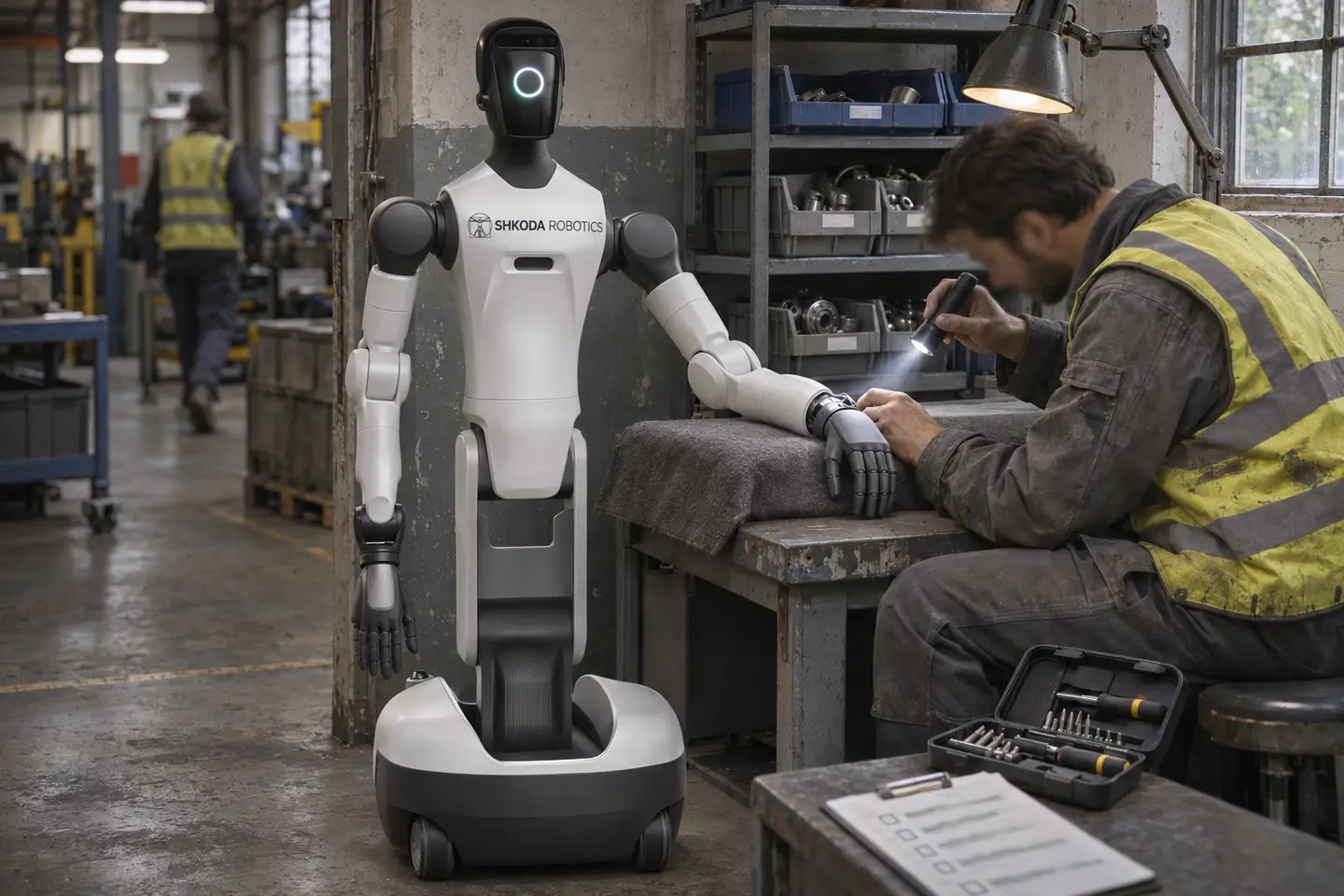
Define fault reporting, spare-parts requirements and escalation. Agree response arrangements for the site in writing.
Software and data
We develop our own task software and robot data layer for task setup, cycle records and fault analysis.
Before a pilot, we agree with plant IT what is recorded, where it is stored and who can access it. Any external transfer or remote access requires the plant's written approval. The robot's safety controller and firmware remain separate from our task layer.
Robot → Task software → Cycle and fault records → Plant review
The pilot
Assessment, the visit and the pilot are free for the plant until it accepts the work. There is no obligation to continue. Dates are agreed for the specific robot, task and site.
Visit the site and record how the task works today.
Put the scope, safety arrangements, data access and acceptance criteria in writing. Agree supply and support with the maker and order the pilot unit.
Commission the agreed task, train operators and measure output, interventions and stops.
The plant decides whether the robot does the job and whether to continue. After acceptance, a plant that continues buys or leases the robot with our service contract, under agreed written terms.
Site assessment template: Operation · Material · Baseline cycle · Exceptions · Layout · Safety · Data access · Acceptance criteria
Safety
We prepare the application risk assessment and the commissioning documents for each site. The robot's CE marking and EU declaration of conformity stay with the maker or its EU importer; we ask for them in writing before a unit ships.
The site plan addresses people, traffic, stopping, recovery and operator training. For electronics tasks, ESD requirements are part of the assessment. Responsibilities and acceptance checks are agreed with the plant before commissioning.
Robot documentation · Application assessment · Site operating procedures
Built from Barcelona, around the work on site.
Shkoda Robotics was founded by Yegor Shkoda. We are hiring a CTO and the field team for the first pilots.
Our focus is deployment and field service in Spain, supported by our own task software and robot data layer. See the open roles.

Founder
Founder · Barcelona
Partnershipspartners@shkodarobotics.comFounderyegor@shkodarobotics.com
Locations
FAQ
Technical documentation, software interface details, operating limits and a proposed route for training and support.
We agree the site work, support responsibilities and escalation route with the parties involved before a pilot.
We order the pilot unit. Assessment, the visit and the pilot are free for the plant until it accepts the robot's work. After acceptance, if the plant chooses to continue, it buys or leases the robot with our service contract. Hardware supply, support and subsequent service are agreed in writing.
Only the data and records the plant authorises in writing. Data access and remote support are defined before the pilot.
Humanoids from tier-one makers, chosen per task. We assess the parts, cycle, layout, interfaces and support requirements before selecting a platform.
By agreement with the plant, after the pilot is running.
Next step
Tell us about the platform, the operation it is designed for and the support it needs on site. We will discuss the fit for a Spanish plant pilot.
Or write to yegor@shkodarobotics.com · WeChat: wxid_mwc95sk4ika012
From mainland China: email us a time; we call on Zoom, Teams or WeChat video.